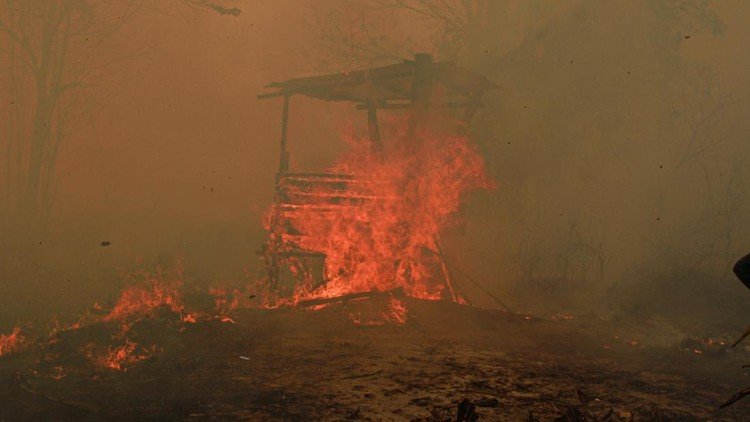
Forest and land fires remain one of Indonesia’s major challenges in meeting its climate targets. Krystof Obidzinski, a scientist at the European Forest Institute, highlighted the FOLU Net Sink 2030 target, which aims to ensure that the forestry and land-use sector to absorbs more carbon than it emits. The target is established under Presidential Regulation No. 98 of 2021 and is pursued through four main strategies: preventing deforestation, conserving and sustainably managing forests, protecting and restoring peatlands, and increasing carbon sequestration.
 Source: CNN Indonesia
According to Krystof, the impact of fires extends beyond ecosystem damage. Fires also disrupt production, employment, trade, market confidence, and the support from financial institutions. Addressing these challenges therefore requires sustained preparedness, a clear division of responsibilities between the central and regional governments, and sufficient funding for fire prevention and response.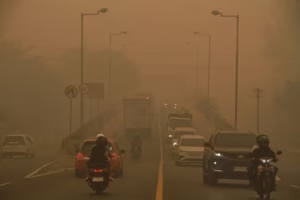
Source: uzone.id
From a public health perspective, Marcellinus Budi Utomo, a researcher at the National Research and Innovation Agency (BRIN), explained that fires degrade air quality. Smoke and fire particulates can travel far from the burn site, so those affected are not limited to people living near the fires. His study in Kalimantan combined satellite data, PM2.5 estimates, population distribution, and baseline mortality data to examine the links between fires, air quality, and their potential impact on the population.
Marcellinus emphasized that the modeling results does not represent actual death counts or do not prove that every death was caused by fires. Even so, the study helps reveal impacts that often go unnoticed. Its findings can inform efforts to strengthen air quality monitoring, early warning systems, protection for vulnerable groups, and the readiness of health services. (AJM/MFA)
You may also like
Turning FOMO into Health Goals: The Gen Z Phenomenon of “Pace Hunting” at GBK
MBG Uji Sistem Prasmanan: Makanan Lebih Segar atau Bikin Antrean Makin Panjang?
Biar Waktu yang Bercerita, Kita yang Menjalaninya
The Retro-Revival Phenomenon: When Gen Z’s Cultural Identity Becomes the Aesthetic of the Past
Ketika Momen Tak Lagi Cukup untuk Dirasakan