Source: CNBC Indonesia
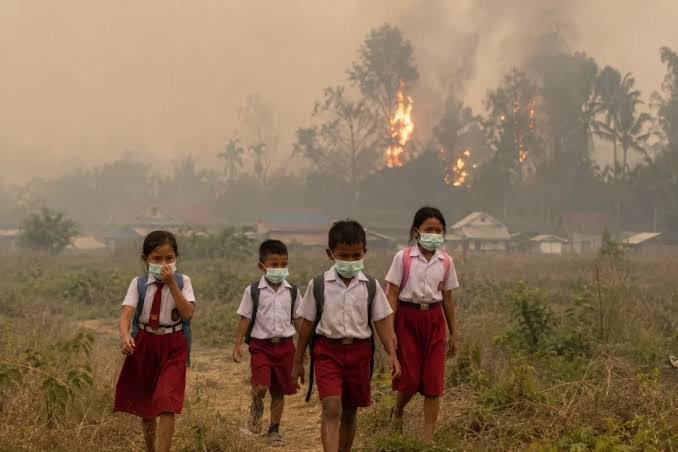
The forest and land fires that have once again struck various regions in Indonesia such as Sumatra, Kalimantan, and Papua are not merely a routine annual climate phenomenon. These fires are a stark reflection of the continued fragility of the environmental protection system and the lack of oversight regarding land-burning activities. What is particularly alarming is that this crisis has dragged on and shows no signs of ending, with the hotspots increasing in June, peaking in August, and continuing into mid-October.

Source: kompas.id
The fact that the haze crisis has persisted for months without a comprehensive solution highlights the urgent need to improve the ecological crises management, as such crises impact public health and the stability of international relations. Forest and land fires have devastating impact on nature and biodiversity. Fires in peatlands are difficult to extinguish because they spread deep beneath the surface, destroying natural vegetation and devastating the habitats of flora and fauna such as orangutans, Sumatran tigers, snakes, and various bird species. Animals that have lost their homes and food sources are forced to move closer to human settlements, while many others perish, trapped by the flames.
Source: CNBC Indonesia
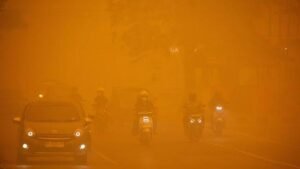
This ecosystem degradation directly reduces Indonesia’s biodiversity and accelerates global climate change due to substantial carbon emissions. This crisis is further aggravated when thick haze, which has accumulated over months, envelops the atmosphere and drastically worsens air quality in the affected areas. Concentrations of fine particulate matter and hazardous gases soar, severely reducing visibility and compromising the safety of both land and air transportation. Local communities are deeply concerned, as breathing this air daily contributes to a surge in cases of Acute Respiratory Infections (ARI). Children, pregnant women, and the elderly are among vulnerable groups, experiencing severe shortness of breath and eye irritation.
The haze even crosses national borders, worsening air quality in neighboring countries such as Malaysia and Singapore. This not only threatens the health of people in region, but also has the potential to trigger diplomatic tensions. Therefore, efforts to address forest and land fires must not rely solely on temporary measures such as water bombing or weather modification. Instead, the problem must be addressed at its root through strict law enforcement against individuals and corporations responsible for land burning, as well as by accelerating comprehensive peatland restoration. (JRM/NFA)
You may also like
Garuda Pesta Gol 9-2 atas Bangladesh, Timnas Indonesia Lolos ke Final FIFA ASEAN Cup 2026
Biar Waktu yang Bercerita, Kita yang Menjalaninya
The Retro-Revival Phenomenon: When Gen Z’s Cultural Identity Becomes the Aesthetic of the Past
Bought Seats, Broken Trust: KPK Raids Unsoed Over Student Admissions Scandal
MENUNGGU SELAMA 8 JAM: KETIKA NYAWA PASIEN DIPERTARUHKAN!