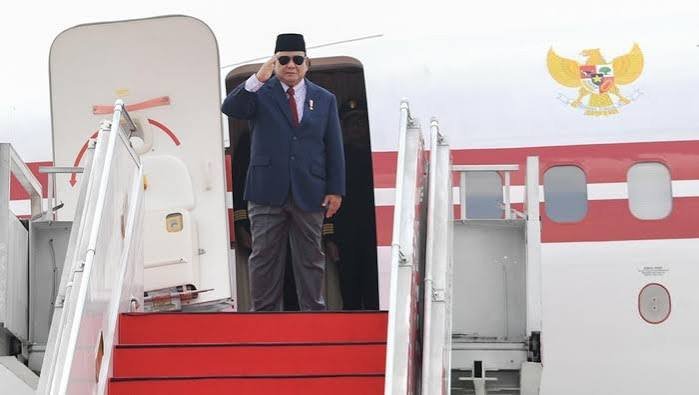
Source: news.detik.com
In recent months, Indonesian President Prabowo Subianto has undertaken several overseas visits as part of his diplomatic agenda. These trips have included meetings with foreign leaders, participation in international forums, and discussions on economic cooperation, defense partnerships, and investment opportunities. While the government considers these visits important for strengthening Indonesia’s position on the global stage, they have also sparked public debate across the country.
Supporters of the president argue that international diplomacy is essential in today’s interconnected world. They believe that maintaining strong relationships with other nations can help Indonesia attract foreign investment, expand trade opportunities, and strengthen national security. Government officials have stated that many of these visits are intended to promote Indonesia’s economic interests and enhance cooperation with strategic partners.
However, some members of the public have questioned the frequency of these overseas trips. Critics argue that extensive international travel may result in significant government expenditures, including transportation, security arrangements, accommodation, and logistical support. They believe that greater transparency regarding the costs and outcomes of these visits would help increase public trust.
Political observers have noted that public scrutiny of presidential travel is common in many democratic countries. Citizens often expect their leaders to demonstrate that official visits provide tangible benefits to the nation. As a result, discussions frequently focus on whether diplomatic engagements yield measurable outcomes, such as investment agreements, trade deals, or international partnerships.
Economists have also emphasized the importance of evaluating both the costs and benefits of overseas diplomacy. While international visits may require substantial funding, they can potentially generate long-term economic benefits if they lead to new business opportunities or stronger international cooperation. Therefore, assessing the effectiveness of such trips requires considering more than just their immediate costs.
Social media has played a significant role in shaping public opinion on this issue. Many users have expressed differing views regarding the president’s travel schedule. Some praise the administration’s active diplomatic approach, while others believe that greater attention should be given to addressing domestic challenges. The debate continues to reflect the diverse perspectives within Indonesian society.
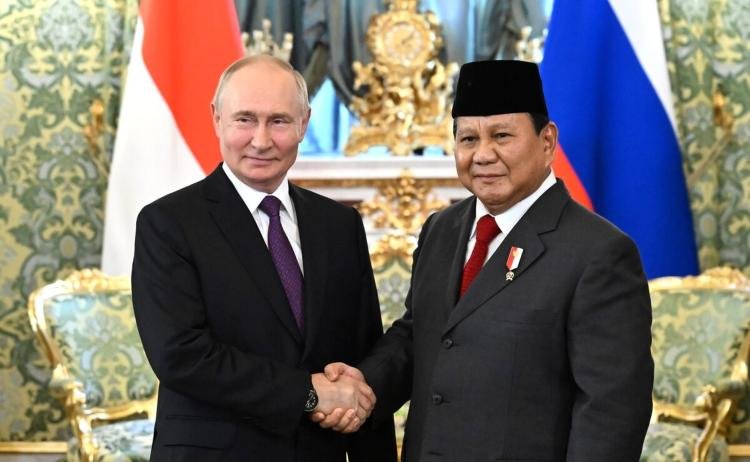
Source: sabangmeraukenews.com
Experts suggest that clear communication from the government is essential in addressing public concerns. Providing detailed information about the objectives, achievements, and outcomes of official visits can help citizens better understand the purpose of international engagements and their potential contribution to national development.
As Indonesia continues to strengthen its role on the global stage, discussions regarding the balance between international diplomacy and domestic priorities are likely to remain an important topic. Whether viewed as a strategic investment or as an area requiring closer oversight, President Prabowo’s overseas visits continue to attract significant public attention and generate debate throughout the country.(RHM/NDC)
You may also like
Biar Waktu yang Bercerita, Kita yang Menjalaninya
The Retro-Revival Phenomenon: When Gen Z’s Cultural Identity Becomes the Aesthetic of the Past
Bought Seats, Broken Trust: KPK Raids Unsoed Over Student Admissions Scandal
MENUNGGU SELAMA 8 JAM: KETIKA NYAWA PASIEN DIPERTARUHKAN!
Classes, Clubs, and Hanging Out: Myth or Fact? Can College Students Succeed Without Getting Burned Out?